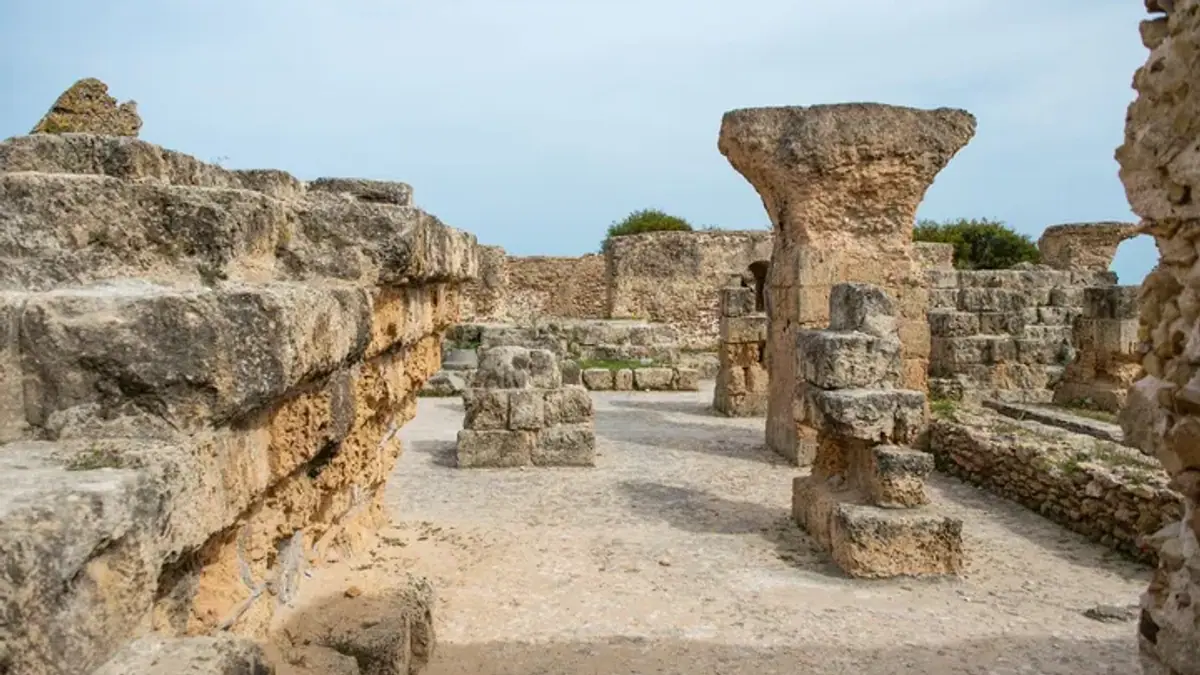


My Son Sanctuary Exploration Guide: Ancient Champa Towers & Sacred Apsara Dance (2026)
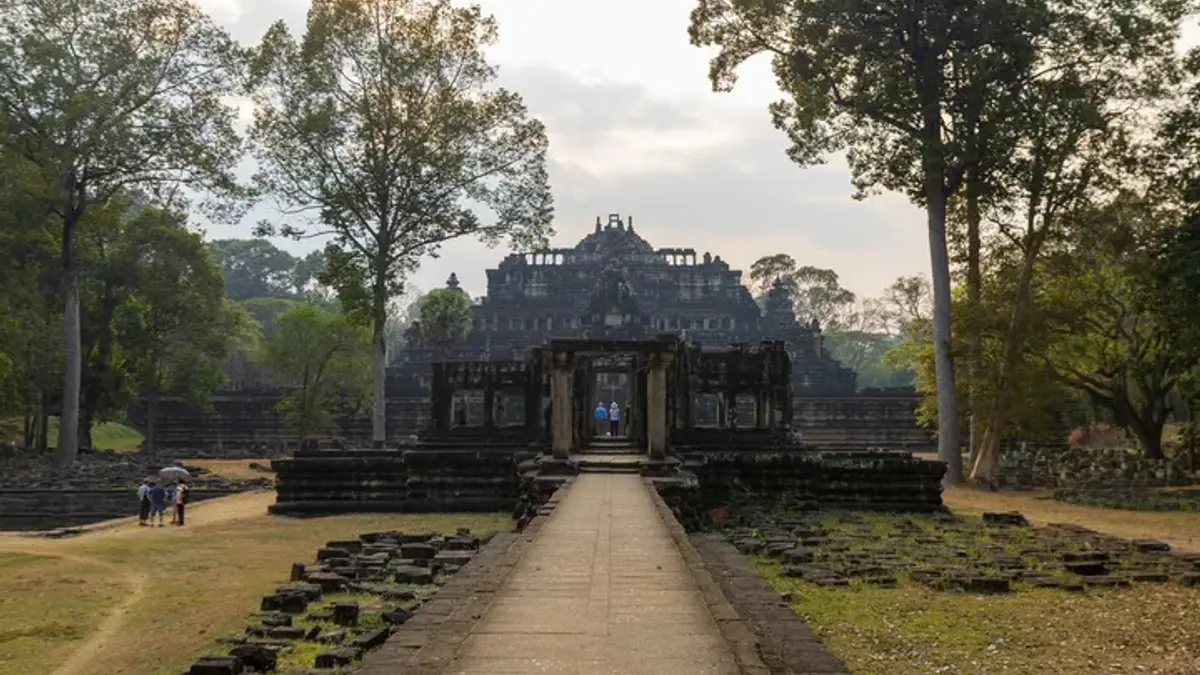
The Sacred Valley of the Champa Gods
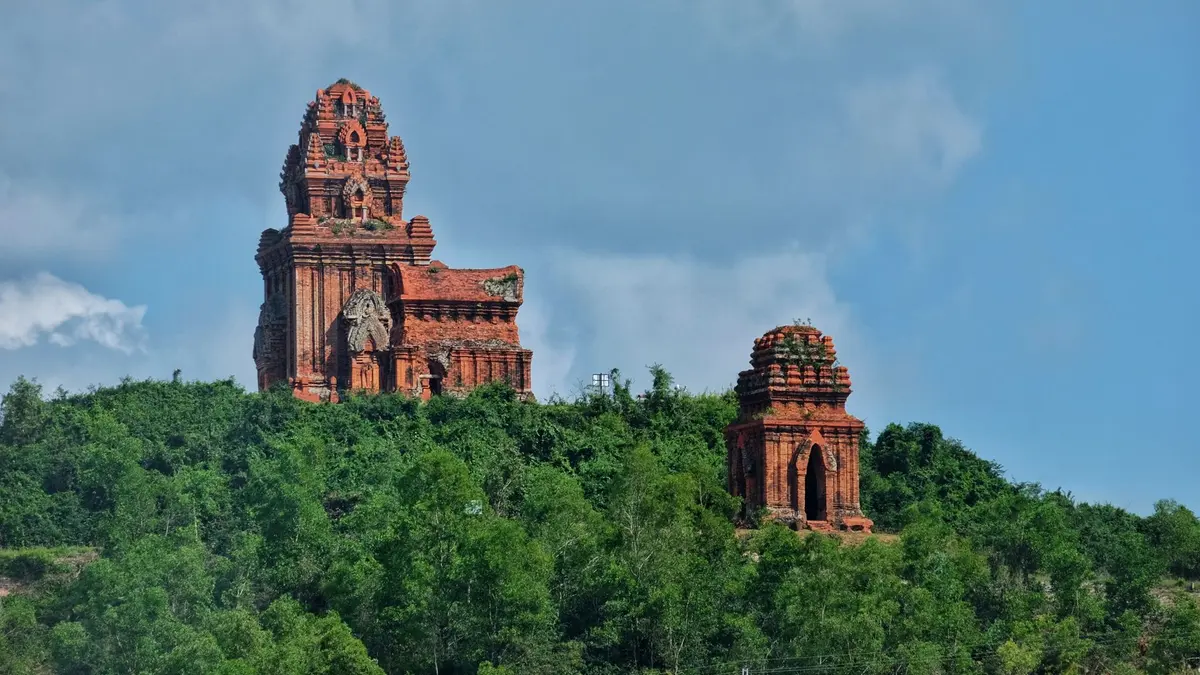
Founded in the late 4th century under the reign of King Bhadravarman I, My Son Sanctuary served as the royal religious center dedicated to Shiva Bhadresvara, the patron deity of the Champa Kingdom. Over nine centuries of continuous royal patronage, more than 70 elaborate stone and brick temples were erected, making My Son one of Southeast Asia’s foremost Hindu temple complexes alongside Angkor Wat in Cambodia, Bagan in Myanmar, and Borobudur in Indonesia.
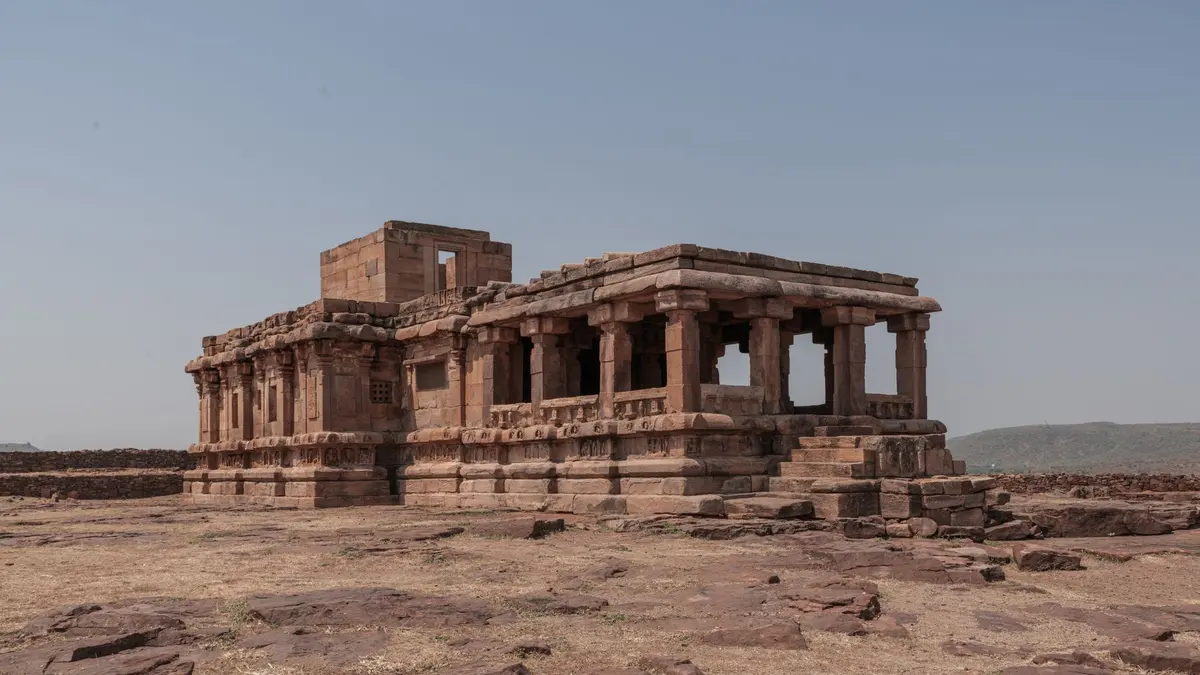
Key Temple Groups & Archaeological Highlights
1. Groups B, C & D: The Architectural Core
- Preservation Status: This central cluster boasts the finest surviving examples of Cham artistry, including the primary Kalan sanctuary, Gopura gateway towers, and open-air artifact galleries displaying bas-reliefs of celestial Apsara dancers, elephant-headed Ganesha, and mythical Garuda birds.
- Sacred Shrines: Marvel at monolithic stone Linga-Yoni altars representing cosmic fertility and cosmic balance, carved with exceptional precision from solid sandstone blocks.
2. Group A: The Once-Monumental Great Temple
- Historical Significance: Prior to wartime bombing in 1969, Tower A1 stood over 24 meters tall, dominating the entire valley floor. Today, an international conservation partnership between the Archaeological Survey of India (ASI) and Vietnamese heritage experts is meticulously reconstructing and reinforcing these ancient brick structures.
3. Cham Folk Music & Spiritual Apsara Dance
- Cultural Spectacle: Don’t miss the live performance inside the air-conditioned theater. Native Cham musicians and dancers showcase ancient court dances, fan dances, and water-carrying rituals accompanied by hypnotizing rhythms of Saranai horns and Paranung drums.
💡 💡 Essential Central Vietnam Guides & Travel Tips:
- Discover nearby highlights and visitor tips in Hoi An to My Son to Da Nang Private Car Tour
- Make the most of your central Vietnam journey with Hoi An to Marble Mountains & Linh Ung Pagoda
- Official travel information: UNESCO World Heritage Centre ↗
Visiting Information & Private Car Transfers
Because public transit to My Son is nonexistent and group tour buses arrive in large crowds between 09:30 AM and 11:30 AM, hiring a private car to My Son Sanctuary from Hoi An or Da Nang is the most relaxed and flexible option. You can depart early at 06:30 AM to beat the mid-day tropical heat and enjoy the sacred valley in peaceful serenity.
| Vehicle Type | Capacity | Hoi An ↔ My Son Round-Trip | Da Nang ↔ My Son Round-Trip |
|---|---|---|---|
| 4-Seater Sedan (Vios / Accent) | 1-3 pax + 2 bags | 770,000 VND ( | 1,050,000 VND ( | $42 USD)
| 7-Seater SUV (Xpander / Fortuner) | 4-5 pax + 4 bags | 880,000 VND ( | 1,100,000 VND ( | $44 USD)
| 16-Seater Van (Ford Transit) | 6-12 pax + luggage | 1,380,000 VND ( | 1,600,000 VND ( | $64 USD)
*All private transfer packages include fuel, toll fees, waiting time while you explore the sanctuary (up to 3 hours), and door-to-door hotel drop-off. Check all vehicle rates on our detailed pricing page.
Frequently Asked Questions (FAQ)
1Where is My Son Sanctuary located and how far is it from Hoi An and Da Nang?
My Son Sanctuary is situated in Duy Phu Commune, Duy Xuyen District, Quang Nam Province. It lies approximately 40 km (25 miles) west of Hoi An Ancient Town and roughly 65 km (40 miles) southwest of Da Nang city center.
2How much is the entrance ticket to My Son Sanctuary in 2026?
The entrance fee for international visitors is 170,000 VND (~$7 USD) per adult. This fee includes an electric shuttle cart ride from the entrance gate to the inner valley trail and admission to the live Cham traditional dance show.
3What is the architectural mystery behind Cham brickwork?
Ancient Cham master builders erected these ornate red-brick temples without visible mortar joints. Archaeologists discovered they polished pre-fired bricks tightly together using natural botanical resins derived from dipterocarp trees and specialized firing methods.
4What are the daily performance times for the traditional Cham dance show?
Live Cham folk performances, including the graceful Apsara dance, Saranai horn, and Paranung drums, take place four times daily at the onsite performance hall: 09:15 AM, 10:45 AM, 02:00 PM, and 03:30 PM.
5How are the temple groups classified at My Son?
French archaeologists from the École française d'Extrême-Orient (EFEO) cataloged the ruins alphabetically: Groups B, C, and D are the best preserved, Group A contains the former 24-meter central tower, and Groups G, H, and K feature hilltop forest ruins.
6How long does a typical visit to My Son Sanctuary take?
A complete visit usually takes between 2 to 3 hours, allowing enough time to ride the electric shuttle, hike the walking loops, view the museum artifacts, and watch the 20-minute cultural dance show.
7What is the all-inclusive flat rate to book a private car with driver or Da Nang airport transfer for 'My Son Sanctuary: Ancient Champa History Guide' with no advance deposit?
For My Son Sanctuary, the most relevant Sun Travel private car route is Hoi An to My Son Sanctuary (40 km, 1 hour): 4-seat car 770,000 VND (~$31 USD), 7-seat SUV 880,000 VND (~$35 USD), 16-seat van 1,380,000 VND (~$55 USD) — all-inclusive one-way fares covering tolls and parking with no peak-hour surcharge. Door-to-door pickup at the time you choose, ideal for My Son Sanctuary and Champa Culture; book via WhatsApp +84 384 833 444 and pay after the ride.
Book Your Private Door-to-Door Transfer
Enjoy comfortable, private rides between Da Nang, Hoi An, Ba Na Hills & Hue. Modern fleet (4, 7, 16-seater), fixed all-inclusive rates with zero advance deposit required.
🏮Popular Private Transfer Routes
Transparent fixed rates with professional English-speaking driver support. Tolls & airport fees included.