

Hoi An Teochew & Cantonese Assembly Halls: The Pinnacle of Wood Carving & Glazed Ceramic Relief Art
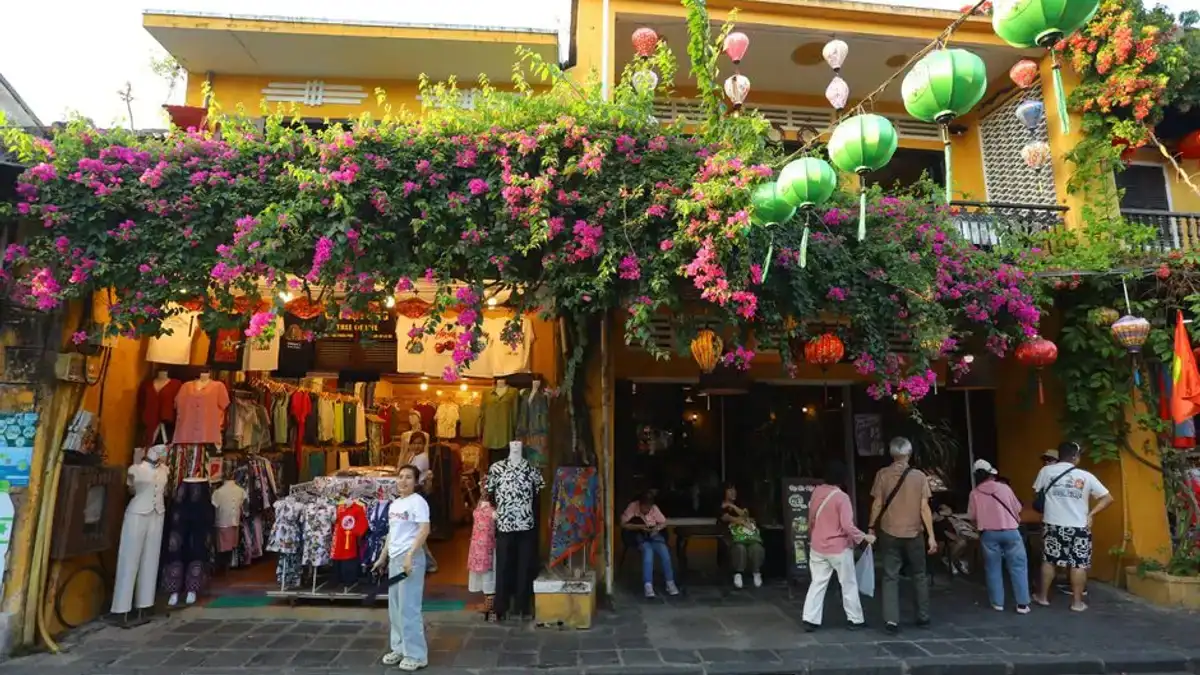
The Architectural Pinnacle of Merchant Guilds
During the 18th and 19th centuries, Chinese merchants from various regions migrating to Hoi An established five hometown association guilds: Phuc Kien, Cantonese, Teochew, Qiongzhou (Hainan), and Jiaying. To assert their status and devotion to their patron deities, each guild hired the most talented artisans from their homeland to construct magnificent assembly halls.
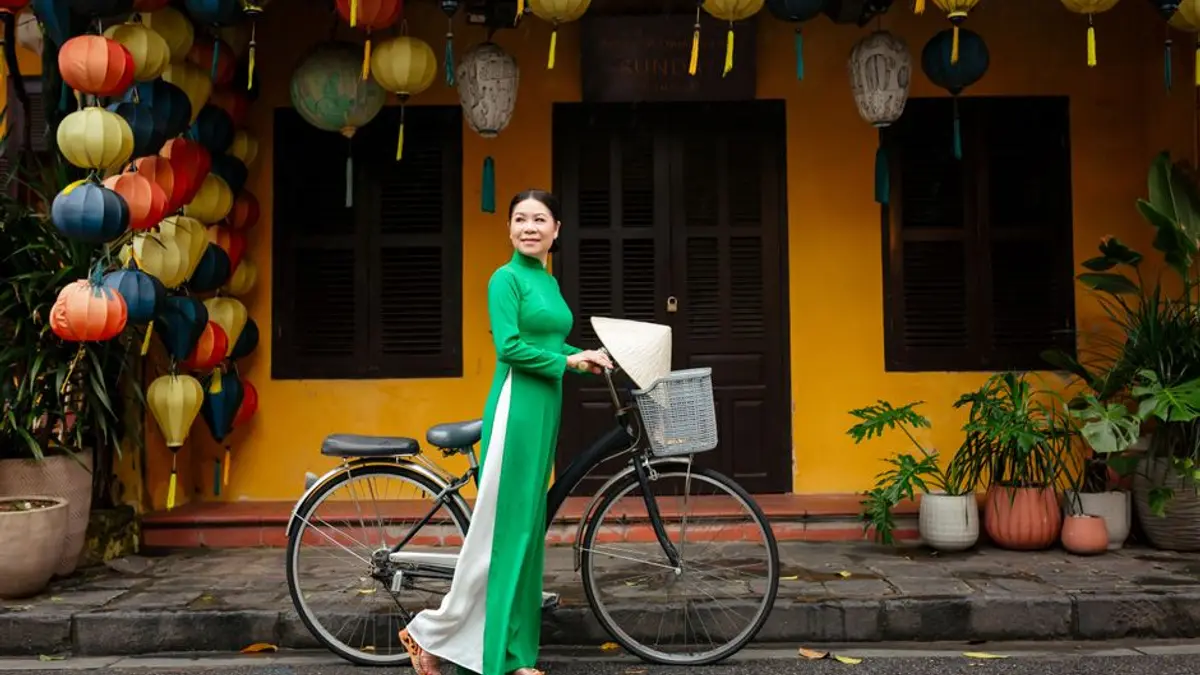
Detailed Unique Features of Each Heritage Assembly Hall
1. Cantonese Assembly Hall (176 Tran Phu) – Lingnan Glazed Ceramic Art
- Materials: Most solid stone columns and wooden structural components were crafted in Guangdong, China, then transported by sea to be assembled in Hoi An in 1885.
- Highlights: Exquisite ceramic dragons winding beside the fountain in the front courtyard and the tranquil flower garden in the rear.
2. Teochew Assembly Hall (157 Nguyen Duy Hieu) – Masterpiece of Openwork Wood Carving
- Establishment: Built in 1845 to worship General Fubo, the deity who subdues the seas.
- Highlights: Jackfruit wood door panels (bao lam) featuring multi-layered folk tales carved to artistic perfection, showcasing the ultimate pierce-carving and openwork techniques of Teochew artisans.
3. Profound International Cultural Exchange Value
- Historical Significance: These two structures serve living physical evidence of a brilliant period of international trade and the enduring harmonious coexistence between the Vietnamese and Chinese communities in the heritage land of Hoi An.
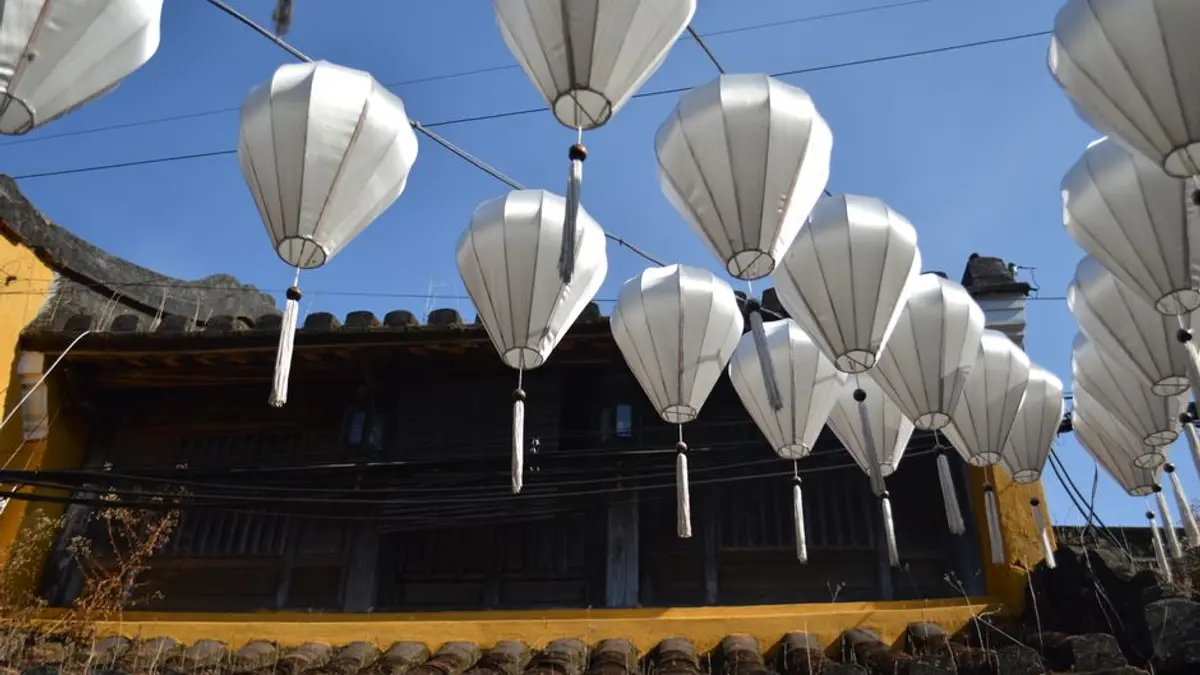
Comparison Table: Teochew & Cantonese Assembly Halls
| Comparison Criteria | Cantonese Assembly Hall | Teochew Assembly Hall | Visit Cost |
|---|---|---|---|
| 1. Address Location | 176 Tran Phu (Near Japanese Bridge) | 157 Nguyen Duy Hieu (Eastern Ancient Town) | Ancient town ticket (80k / 120k) |
| 2. Main Worshipped Deity | Lord Guan (Guan Yu) | General Fubo (Ma Yuan) | Free incense offering |
| 3. Architectural Pinnacle | Glazed ceramic dragon reliefs, stone columns | Multi-layered openwork wood carvings | Intact preservation |
| 4. Check-in Space | Spacious, courtyard with lotus pond | Quiet, serene, deeply nostalgic | Great for Ao Dai photos |
Notes When Visiting the Assembly Halls
When offering incense or taking commemorative photos, please maintain general order, refrain from running around the worship grounds, and do not arbitrarily strike the antique bronze bells or drums inside the shrines.
💡 ✨ Hand-Picked Travel Guides in Da Nang & Hoi An:
- Uncover hidden charms and local secrets in Cham Sculpture Museum Da Nang: Visitor Guide
- Explore cultural attractions with our detailed review of Dien Hai Citadel & Da Nang Museum History Guide
- Official travel information: UNESCO World Heritage Centre ↗
Comfortable Chauffeured Car Service for Your Visit
For families and small groups, arranging a dedicated scenic private car excursion offers the ultimate convenience. Take a look at our look up transparent rates on our private car price list for all-inclusive rates backed by 24/7 WhatsApp customer support.
Frequently Asked Questions (FAQ)
1Which deities are worshipped at the Teochew and Cantonese Assembly Halls?
The Teochew Assembly Hall worships General Fubo (Ma Yuan), the deity who controls ocean waves and protects merchants traveling by boat. The Cantonese Assembly Hall worships Lord Guan (Guan Yu), the symbol of honesty, integrity, and trust in business.
2Where are these two assembly halls located within the Ancient Town?
The Cantonese Assembly Hall is located at 176 Tran Phu Street (near the Japanese Covered Bridge); the Teochew Assembly Hall is located at 157 Nguyen Duy Hieu Street (in the eastern part of the Ancient Town).
3What is special about the wood carving art at the Teochew Assembly Hall?
The wooden framework, door panels (bao lam), and horizontal lacquered boards at the Teochew Assembly Hall are considered the pinnacle of the most delicate woodworking art in Hoi An: multi-layered openwork carvings depicting flora, fauna, and the four sacred animals with lifelike precision and seamless joints.
4What is the most famous ceramic relief artwork at the Cantonese Assembly Hall?
It is the 'Two Dragons Competing for a Pearl' monument made of colored glazed ceramics resting on a pond in the central courtyard, along with relief panels depicting scenes from the 'Romance of the Three Kingdoms' (Liu Bei, Guan Yu, and Zhang Fei swearing brotherhood in the peach garden) assembled from tens of thousands of antique ceramic shards.
5How are the entrance ticket costs calculated for these 2 assembly halls?
Both assembly halls are included in the Hoi An Ancient Town Cultural Heritage ticket attractions (80,000 VND (~$3.20 USD)/ticket for Vietnamese visitors and 140,000 VND (~$6 USD)/ticket for international visitors).
6What are the daily opening hours for visitors?
Both assembly halls are open to visitors from 7:30 AM to 5:30 PM every day of the week (including Saturdays, Sundays, and public holidays).
7What is the all-inclusive flat rate to book a private car with driver or Da Nang airport transfer for 'Teochew & Cantonese Assembly Halls in Hoi An' with no advance deposit?
For Teochew Assembly Hall, the most relevant Sun Travel private car route is Da Nang Airport to Hoi An (30 km, 45 mins): 4-seat car 280,000 VND (~$11 USD), 7-seat SUV 330,000 VND (~$13 USD), 16-seat van 500,000 VND (~$20 USD) — all-inclusive one-way fares covering tolls and parking with no peak-hour surcharge. Door-to-door pickup at the time you choose, ideal for Teochew Assembly Hall and Cantonese Assembly Hall; book via WhatsApp +84 384 833 444 and pay after the ride.
Book Your Private Door-to-Door Transfer
Enjoy comfortable, private rides between Da Nang, Hoi An, Ba Na Hills & Hue. Modern fleet (4, 7, 16-seater), fixed all-inclusive rates with zero advance deposit required.
🏮Popular Private Transfer Routes
Transparent fixed rates with professional English-speaking driver support. Tolls & airport fees included.