

Hoi An Museum of Trade Ceramics: The Tube House at 80 Tran Phu, Cham Islands Shipwreck Finds, Opening Hours and Tickets

Where the Museum Is and the Story It Tells
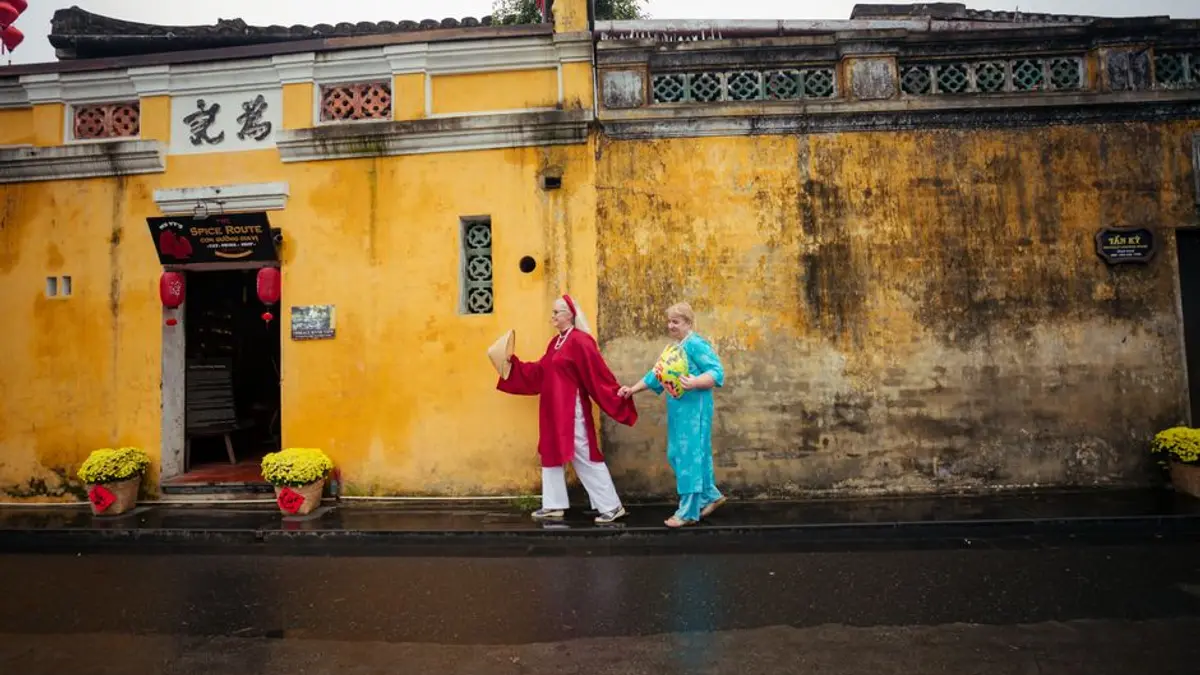
The Museum of Trade Ceramics is at 80 Tran Phu Street, right inside Hoi An’s old town, and is run by the Hoi An Center for Cultural Heritage Management and Preservation. It took shape in 1995 with the help of Japanese experts, and its theme is clear: it uses ceramics to explain why a small river port in central Vietnam became a stopping point for merchant ships from many countries in the 16th and 17th centuries.
Unlike museums that lean toward fine art, this one shows objects that were found in the ground of Hoi An itself. According to the Center’s introduction, about 360 objects dating from the 9th and 10th centuries to the 19th century tie into the maritime ceramic trade route. If you enjoy places with a historical story more than a pretty facade to photograph, it is a worthwhile stop on an old town day.
The House at 80 Tran Phu
The building is an exhibit in its own right. The Center’s documents describe a tube house about 30 m long and 7 m wide, made of four connected sections over two floors, with brick walls, a timber frame and a roof of yin-yang tiles, facing south. The oldest surviving deed is from 1858. Mr Thai Thuan Thang bought the house in 1915 and lived there until 1992, and it served as a home, a shop and a place of worship.
When it had badly deteriorated, the house was restored from 1993 with funding and technical help from Japan, finished in 1995 and then converted into a museum. As you walk through you can pick out the front house, the back house and the connecting hall around an open courtyard, with the kitchen and washroom at the far end, the familiar layout of an old Hoi An house.
Four Exhibits and the Objects Worth Seeing
The Center’s official page divides the display into four parts. You can use them as a step-by-step route.
- Step 1: Overview of Hoi An and Vietnamese trade ceramics. A map of the maritime ceramic route and Vietnam’s kilns; the golden age of trade ceramics was the 15th and 16th centuries.
- Step 2: The architecture of 80 Tran Phu and its restoration. This part explains how the house was preserved, useful if you are curious about conserving old houses.
- Step 3: The Cham Islands shipwreck excavation. The ceramics raised from the sea are mostly everyday wares of the 15th and 16th centuries from the Chu Dau and My Xa kilns in Hai Duong.
- Step 4: Archaeological sites in the old town. Shards and pottery dug up at sites around Hoi An show what goods once passed through the port.
According to the Center, the collection includes Vietnamese ceramics of the 16th to 18th centuries, Japanese Hizen ware of the 17th and 18th centuries (mostly found in Hoi An), Chinese ceramics of the 12th to 19th centuries with a striking dragon-decorated jar, plus Thai, Islamic and Cham pieces. There is also a model of a ghe bau, the old seagoing trading boat. Archaeologists working at No. 80 also found Thanh Ha terracotta; if you want to see pottery still being made today, read about Thanh Ha pottery village in Hoi An.
The Cham Islands Shipwreck in Numbers
The part people mention most is the excavation of an old ship in the waters off the Cham Islands. UNESCO records that the wreck lies about 70 to 72 m deep and was surveyed and salvaged between May 1997 and July 1999. Many Vietnamese sources say more than 240,000 objects were recovered, mostly Chu Dau and My Xa (Hai Duong) ceramics dated to the 15th century, though some documents say the 15th to 16th centuries. The totals differ between articles (some give nearly 279,000, others 340,000 including broken pieces), so when you quote it, say “more than 240,000”.
One thing to understand before you visit: almost none of that haul is in the glass cases at 80 Tran Phu. The museum shows only a selected part, along with information about the excavation. So do not expect to see hundreds of thousands of items. Treat it as an introduction that helps you picture the size of the ship and the Dai Viet ceramic trade of that era. To carry on the maritime story of this area, read our Cham Islands travel guide.
Opening Hours, Tickets and Visit Time
| Information | Details | Notes |
|---|---|---|
| Opening hours | 07:00 to 21:00 daily | From the Hoi An Center for Cultural Heritage Management and Preservation; ask again around holidays and Tet |
| Closing day | The 15th of every month | Used for professional work and care of the objects |
| Ticket | A ticket is needed; usually counted as one stop on the old town ticket | Many 2026 articles quote 80,000 VND ( |
| Visit time | About 30 to 60 minutes | Estimated from the size of the display, not an official figure |
The Center’s page does not publish a ticket price, and a few travel sites quote a different amount for foreign visitors, so do not rely on a single number. The surest approach is to ask at an old town ticket booth, and to ask how long the ticket stays valid. Some travel articles also mention a separately charged audio guide, but that has not been verified from an official source, so ask at the museum itself.
A Half-Day Plan in the Old Town
The museum is on Tran Phu Street, on the same axis as many assembly halls and old houses, so it is easy to build a walking loop. One suggestion: arrive early in the morning, then walk on to the Fujian Assembly Hall on the same street, and choose one old house to see its interior. Pick the sites that match the ticket you hold, since each ticket covers only a certain number of them.
- Group nearby sites so each walk is shorter, especially on sunny days.
- If you travel with older relatives, check in advance which sites have steps or staircases and choose the order accordingly.
- Keep your ticket for the whole visit because staff at the sites may check it.
- Allow at least 15 to 20 minutes to read the panels in the shipwreck section, the most informative part of the museum.
Getting from Da Nang to the Museum
From central Da Nang to Hoi An is about 30 km, usually around 40 minutes by car. The old town core has time windows that restrict motor vehicles, plus pedestrian streets, so cars often stop on an edge street and you walk in. Check the signs posted at the street entrance or ask the driver for the most convenient drop-off point for your timing. For a group, or if older relatives are with you, you can book a private car from Da Nang to Hoi An and compare fares by vehicle type on our Da Nang and Hoi An car price list.
Related reading:
- Read more: Da Nang Museum of Cham Sculpture
Frequently Asked Questions (FAQ)
1What are the opening hours of the Museum of Trade Ceramics, and which day is it closed?
According to the Hoi An Center for Cultural Heritage Management and Preservation, the museum is open daily from 07:00 to 21:00 and closes on the 15th of every month for professional work. Hours can change around public holidays and Tet or when a special notice is posted, so check at an old town ticket booth.
2Do I need a separate ticket for the Museum of Trade Ceramics?
A ticket is required, and the museum is usually counted as one stop on the Hoi An old town ticket instead of being sold alone. Travel articles in 2026 commonly quote 80,000 VND (~$3.2 USD) for Vietnamese visitors and 140,000 VND (~$6 USD) for foreign visitors, but the number of sites each ticket includes differs between sources (3 of 21 sites, or 5 sites), so confirm at the booth before you buy.
3Roughly how many objects are on display?
The Center's introduction page lists about 360 ceramic objects (some pages say 361, others 368), dating from roughly the 9th and 10th centuries to the 19th century and all found at archaeological sites in Hoi An. That figure covers only what is on show, not everything raised from the Cham Islands shipwreck.
4How is the Cham Islands shipwreck connected to the museum?
UNESCO records that the wreck lies about 70 to 72 m deep and was surveyed and excavated between May 1997 and July 1999, yielding more than 270,000 objects, mostly 15th-century Chu Dau and My Xa ceramics from Hai Duong. The museum at 80 Tran Phu has a dedicated section on this excavation, so it is the place to see up close some of the pieces that lay on the seabed for centuries.
5What is the history of the house at 80 Tran Phu?
It is a two-storey tube house about 30 m long and 7 m wide, made up of four connected sections, with brick walls, a timber frame, yin-yang tile roof and a south-facing front. The oldest surviving deed dates from 1858. Mr Thai Thuan Thang bought it in 1915 and lived there until 1992, and restoration with Japanese support began in 1993 and was finished in 1995 so the house could become a museum.
6How long should I plan for the museum, and when is it less crowded?
The display is modest, spread over two floors of a tube house, so many visitors spend 30 to 60 minutes. That is an estimate based on the size of the exhibition, not an official figure. The old town is usually busiest in the late afternoon and evening, so arriving soon after opening in the morning or in the early afternoon makes it easier to see the objects and read the panels.
7Is the museum suitable for older visitors or small children?
It is possible, but this is an old two-storey house with narrow passages typical of a tube house, so visitors with limited mobility should ask staff about the stairs before going in. Tell small children not to touch the glass cases or the objects, and note that some guides mention compensation if an item is damaged.
8How much is a private car from Da Nang to Hoi An Ancient Town?
Sun Travel's Da Nang to Hoi An route is about 30 km and takes around 40 minutes. One-way fares are 280,000 VND (~$11 USD) for a 4-seat car, 330,000 VND (~$13 USD) for a 7-seat car and 500,000 VND (~$20 USD) for a 16-seat van, with tolls and parking covered within the published scope. The old town core limits motor vehicles at certain hours, so pick-up and drop-off are often on an edge street. Send your pick-up point and preferred time on WhatsApp +84 384 833 444 to have it confirmed in advance.
Book Your Private Door-to-Door Transfer
Enjoy comfortable, private rides between Da Nang, Hoi An, Ba Na Hills & Hue. Modern fleet (4, 7, 16-seater), fixed all-inclusive rates with zero advance deposit required.
🏮Popular Private Transfer Routes
Transparent fixed rates with professional English-speaking driver support. Tolls & airport fees included.